Warren Concrete Ltd
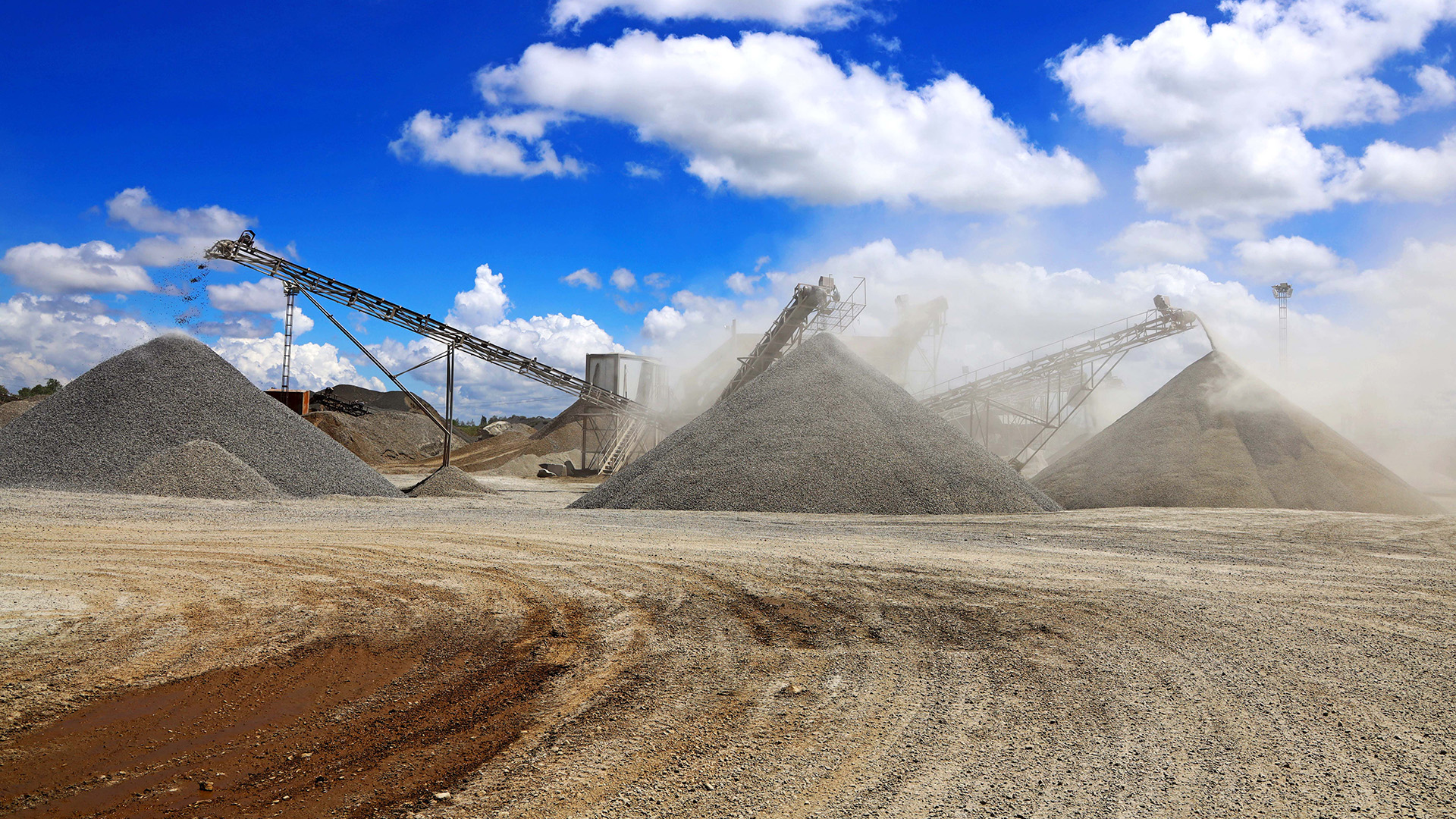
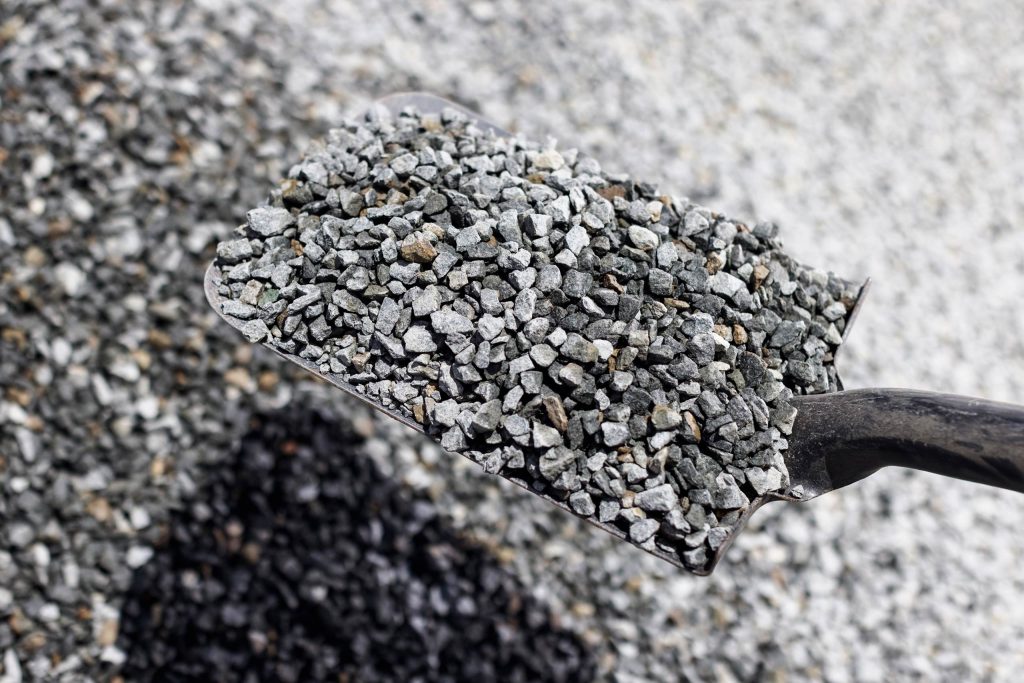
Concrete Aggregates refers to the use of coarse materials such as gravel, crushed stone and recycled concrete in the manufacture of concrete. Essentially, aggregate materials make up a large portion of the total volume of concrete and serve to enhance its overall strength.
- Type of binder and cement characteristics such as gypsum or alkali content.
- Total cementitious content.
- Water: cement ratio.
- Aggregate type.
- Degree of hydration or cementing reaction.
- Total water content in the fresh concrete.
- Environment/exposure conditions of concrete.
- Surface: volume ratio of the concrete as affected by shape and size of elements.
1. Foundations.
2. Suspended slabs.
3. Industrial & domestic floors.
4. Paths, patios & driveways.
5. Precast lintels, flagstones & blocks.
- When batching concrete, one should ensure that the aggregate does not contain any deleterious material (such as leaves, clay etc) as this can have a negative effect on the mix.
- One should also be aware of the water content of the fine aggregates as this is very important in ensuring the control of cement content in the mix.